


Nearly six years after Death Stranding’s release, the game continues to be one of the most unique experiences in gaming, especially in the triple-A space. While it didn’t result in other “strand-type” games, fans of the first Death Stranding will be happy to know that Death Stranding 2: On the Beach is finally here, and it is a game that promises to delight those who enjoyed the first game.
As you may have seen in the various previews for the game, Death Stranding 2 features the same core gameplay as the original, meaning players must once again traverse a post-apocalyptic world with beautiful landscapes, all while having lots of packages in tow.
Along with the return of the signature Death Stranding delivery gameplay, On the Beach also sees plenty of familiar faces return, joined by new cast members. The new and returning characters come together to tell a story that, if you ask us, is one that players won’t forget.
It’s a bit difficult to explain why that’s the case without getting into spoiler territory, especially as this review won’t mention any story spoilers, aside from the ones revealed in the game’s trailers. What we can say for certain is that the story is a more memorable one than the first. That’s well and good, but the plot is just one element of this game. Thankfully, Death Stranding 2 won’t disappoint when it comes to gameplay, at least for those who enjoyed the original.
[NOTE: This review is written from the perspective of a player who enjoyed the first game.]
Post-Apocalyptic Deliveries Made Even Better
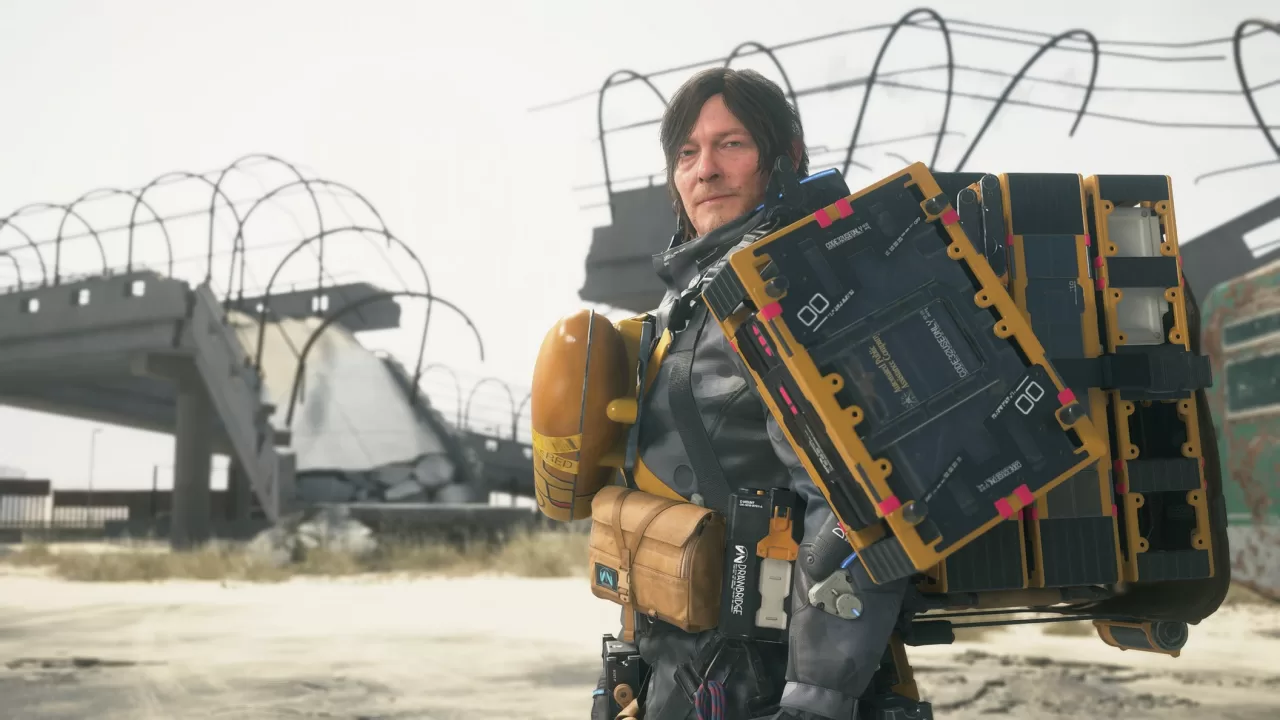
It’s fair to say that the first Death Stranding was quite a divisive game, even just considering its gameplay. After all, while some players were simply not grabbed by the delivery mechanics, others loved the focus on traversal, including all the effort of planning routes and building up transport infrastructure. I would count myself as falling in the latter camp, as I found the game’s mechanics to be incredibly addictive. In fact, as someone who isn’t a completionist, I was compelled to connect every city and prepper via zip-lines and the highway network, to the point that I even got the Platinum trophy.
As such, this review is based on the point of view of someone who loved Death Stranding. I can’t exactly say if this will convince those who disliked the first game, though I can say that fans of the first will love On the Beach when it comes to gameplay. While the mechanics remain mostly unchanged, Death Stranding 2 adds enough new elements and streamlines enough aspects to make deliveries more engaging.
For starters, the game now takes place primarily in Australia. While you start off in Mexico, the game’s Mexico map is fairly small, akin to the first smaller map in Death Stranding 1. Australia is the game’s main setting, and as in the first game, Sam’s goal is to connect the entire country.
The USA map of the first game transformed the country into a place that looked more like Iceland than America. While the first game’s USA map looked beautiful, Death Stranding 2’s Australia map is a big improvement. That’s because DS2’s map has way more variety. Sure, there are black sand beaches and snowy mountains again, but there are also desert areas, along with dry and rocky locales.
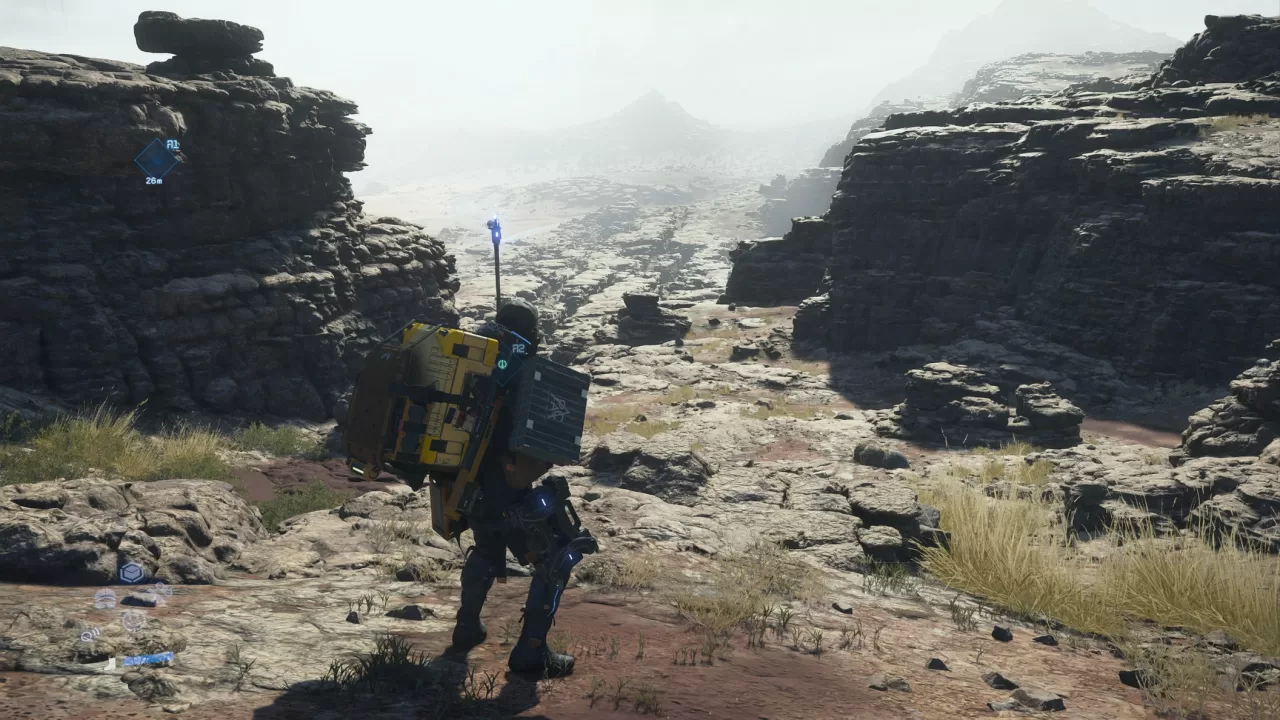
This variety not only makes the game more visually interesting, but it also gives players more hazards that can make deliveries more challenging. Some deliveries require you to go through a bushfire, while the mountains also have periodic avalanches that you must avoid. There are also earthquakes, as well as flooding rivers. Many of the rivers in the game are also wider, even without floods, meaning they pose much bigger challenges when it comes to traversal. While the hazards mean you’ll want to put in extra prep for some deliveries, I think the game could’ve used a bit more of them to make traversal more interesting.
Even though the environment poses more challenges in this game, paradoxically, making deliveries felt much less of a hassle compared to the first Death Stranding. I wouldn’t say deliveries are easier this time; it’s just that they feel much less of a slog given how the world is designed.
One of the biggest reasons for this is the fact that vehicles feel much more useful. This is partly thanks to the fact that the new Tri-Cruiser and Pickup Off-Roader (which have replaced the Reverse Trike and Truck) are much easier to drive, even off-road. Coupled with the fact that the map, while still having plenty of elevation changes, offers many paths that aren’t too difficult to drive through. Thanks to these, I made use of vehicles much more in this game, even when traversing areas not connected to the Chiral Network. For comparison, I barely used the Reverse Trike and Truck in the first Death Stranding until I unlocked an area, or until after I finished highway segments.
Of course, building the highway network in Australia is also recommended, especially given how useful it is for increasing links with various cities and preppers. Building highway segments works the same in DS2, though now, you don’t have to get all your materials from cities. You can also exchange Chiral Crystals for materials at mines throughout the map. These mines are also handily connected to Monorail lines.
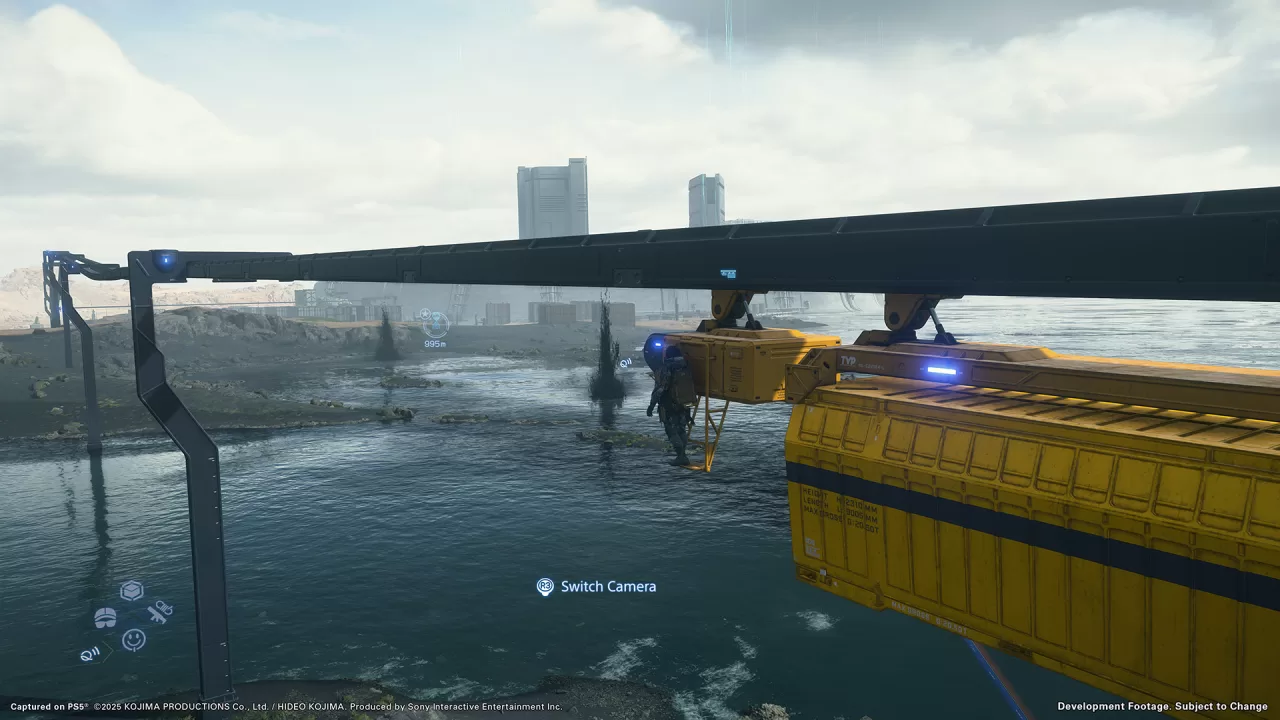
Yes, this game also has monorail lines, three of them, in fact. These are another way of making deliveries of big items easier, though you’ll still need to build them as you would a highway. In my playthrough though, I found that completing the monorail lines was much easier than the highway network, partly because these lines are shorter, not to mention that the mines you unlock earlier in the game give you Special Alloys and Resins (the materials needed to build the monorail tracks). Plus, unlocking the entire Monorail network should make getting materials for the highways much easier, though it will still take some time. Even after nearly fifty hours of playtime, I’ve yet to build all the highway segments on the map.
What I was able to build quite successfully is the zip-line routes across the massive mountainous area in the southeastern part of Australia. Zip-lines can now curve a bit, meaning you get more flexibility when building your own zip-line network. This was something I did as soon as I unlocked the mountain area, and it definitely came in handy in deliveries/missions during the late game.
The highway, monorail lines, and zip-lines are the main ways to connect the cities and preppers on the map, but the game also gives players even more delivery tools. These include the Cargo launcher for the first game’s Director’s Cut, among many others. There’s also the fact that players can fast-travel via the DHV Magellan, the Drawbridge base of operations (that looks very much like the Metal Gear REX head).
In all, the delivery aspect of Death Stranding 2 has big updates that players may not notice at first. The overall mechanics remain unchanged, but the changes to vehicles, increased connectivity options, and a more varied world make for a more engaging and fun delivery experience.
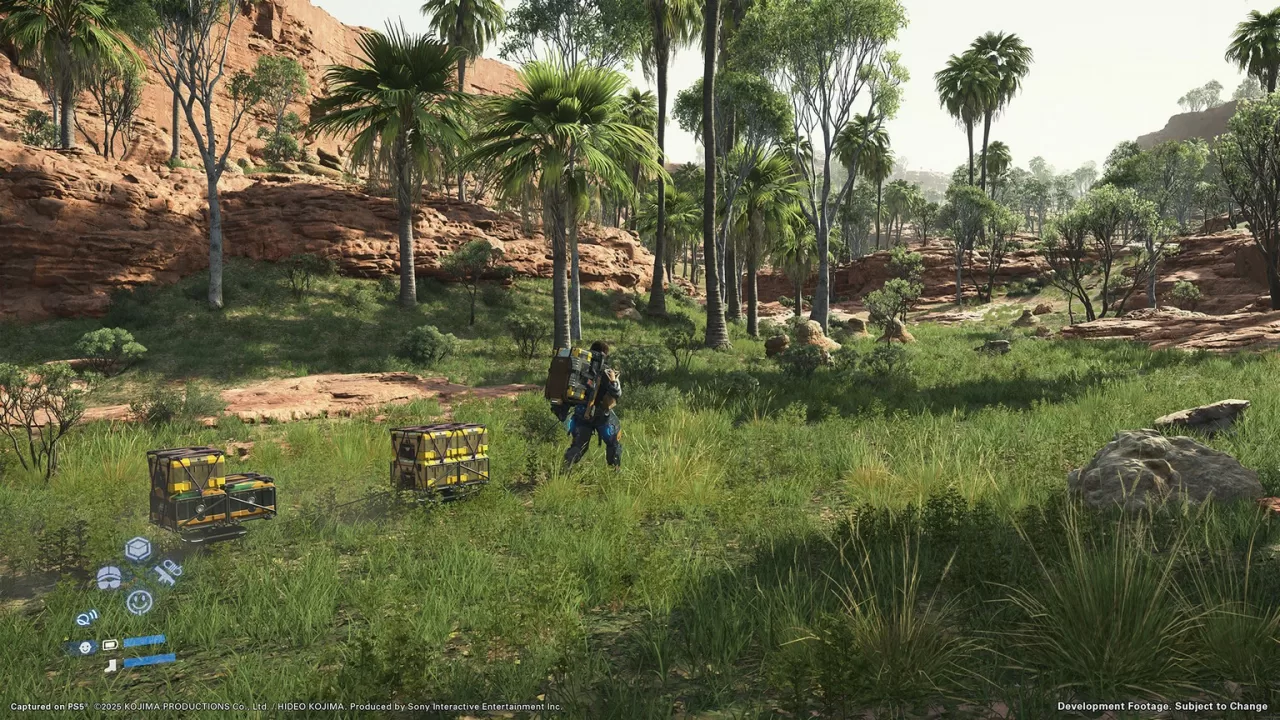
These changes especially shone in some of the story orders later in the game that task players with delivering a huge amount of cargo across the map. This meant that I had to meticulously plan my routes, not to mention that I even had to build highway segments in order for my plan to work. When you manage to plan the delivery and get an S-rank, the satisfaction is immense. Thanks to this, I found DS2 to be even more addictive than the first.
Death Stranding 2’s only real weakness in this regard is that the game’s missions and flow feel a bit too much like the first game. I sometimes wished while playing that the game switched things up a bit when it came to how Sam’s journey progressed, but this is a fairly minor nitpick given how much I enjoyed the game’s delivery aspect.
There’s also the fact that deliveries and traversal aren’t the only things you do. There are now story missions in this game that require Sam to face off against enemies, whether it’s guns blazing or by taking them out silently.
A Bigger Emphasis on Combat
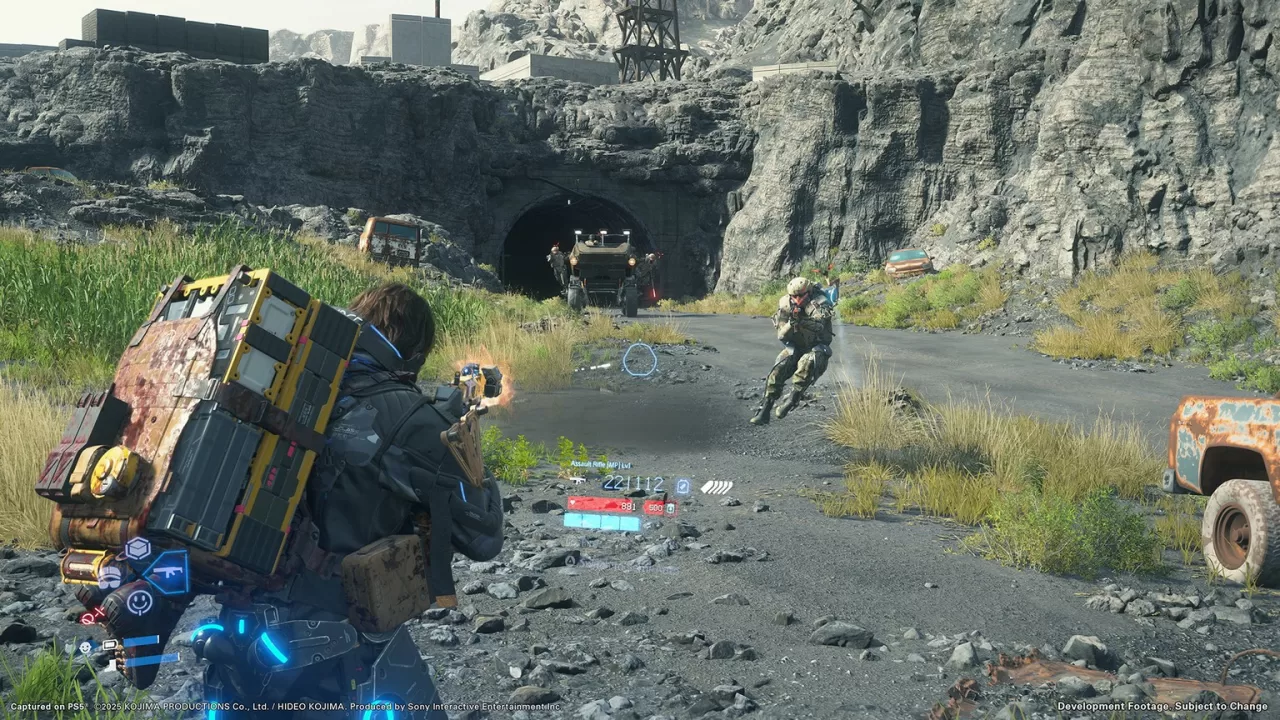
The first Death Stranding had some pretty severe penalties for killing human enemies, not to mention that weapons were harder to come by in the earlier game. This meant it was often better to avoid enemy camps and BTs entirely until the later parts of the story.
That’s not the case in Death Stranding 2 as the game gives you weapons right from the get-go. This time around, the weapons have MP bullets that are non-lethal, meaning you don’t have to worry about accidentally killing human enemies. The previous Voidout mechanic was also removed. There are no longer any incinerators on the map, as corpses (in the event you accidentally kill someone) will be handled by other Porters.
Given this, you can now more easily clear enemy camps, even in the early game. You can still stealthily make your way through them or bypass them entirely when planning your route, but the game does incentivize you to clear them (whether stealthily or loudly). That’s because cleared enemy camps become weaker, with fewer enemies once they go back online. On the flip side, leaving enemy camps be will make them stronger.
Even if you want to go the pacifist route, there are certain story missions where you have no choice but to take down enemies. These encounters aren’t just against human enemies, as the game will also introduce robotic foes that are harder to take down.
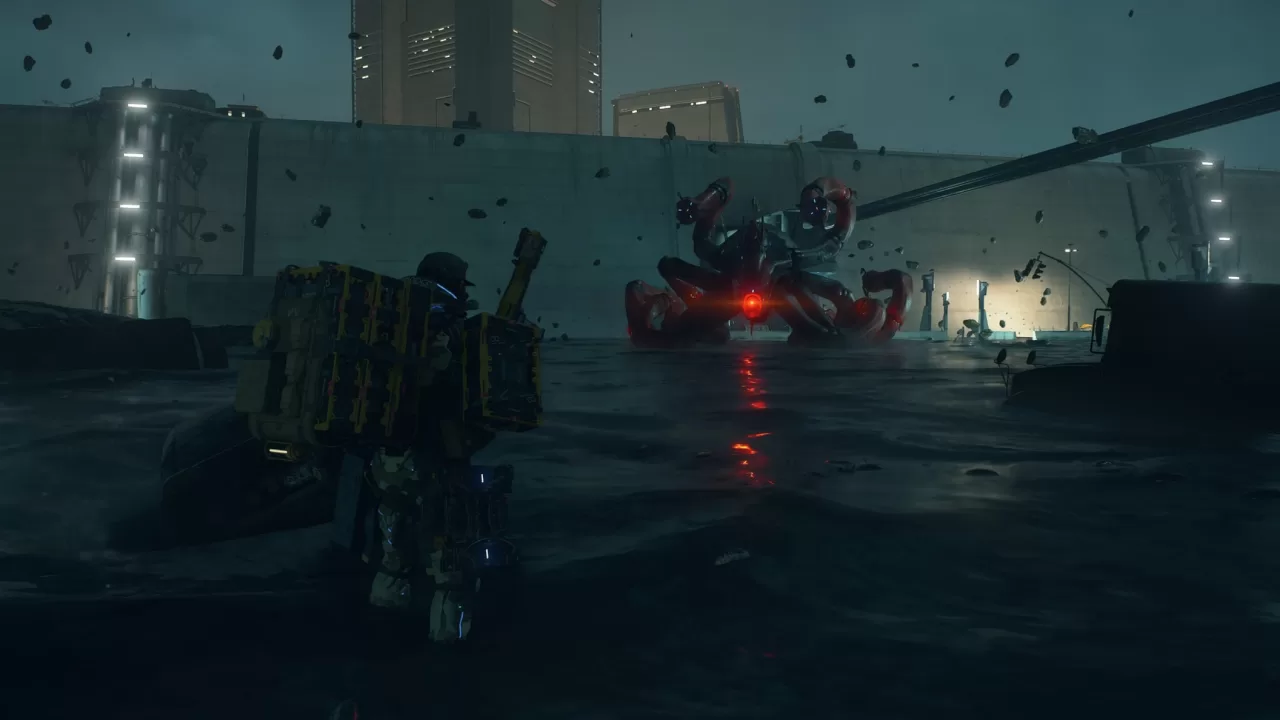
Many of these robotic enemies are human-sized, but there are also plenty of encounters against much larger mechs. These are reminiscent of boss fights from the Metal Gear games, but with a more Death Stranding flair in terms of visual style and attacks. These big foes aren’t just limited to mechs, as there are also giant BT encounters. This time around though, you can summon your own BT to serve as a distraction. Note that you’ll need to capture a giant BT before you can summon one, though this is a fairly straightforward process that will be touched upon in a story mission.
With the bigger focus on combat, enemy encounters are much less of a hassle in Death Stranding 2, especially as players have plenty of options. When tackling enemy camps, the fact that there are more tools from the start can make the game feel a bit like Metal Gear Solid V lite, given that the pace of clearing enemy camps in DS2 is reminiscent of The Phantom Pain.
While the emphasis on combat improves the game’s overall flow, the feel of combat is still the game’s main weakness (in my opinion, at least). On the Normal difficulty, encounters are a bit too easy, whether it’s the camps or the boss fights. Bumping the difficulty to hard does help with this, though it just makes the enemies feel more like bullet sponges, not to mention that the Blood Bag system still makes it hard for you to die.

There’s also the fact that controlling Sam in fights doesn’t feel as fluid as I’d like. Sure, this can be explained by the fact that he’s a combatant, but this also makes fights (especially against bosses) feel fairly simplistic. There were many points that I wished the movement was tweaked to make the game feel more like MGSV, though I understand that might not work. After all, traversal and deliveries are still the priority, so tweaking the movement to suit combat more might negatively affect the traversal elements.
That’s not to say I disliked the combat encounters, far from it. I still had a lot of fun with them, especially when compared with the first Death Stranding, given how less of a hassle they are, not to mention that some of the action set-pieces are quite memorable.
While I loved some of the more action-heavy parts, at the end of the day, it’s still the deliveries, along with the story, that made me love On the Beach.
An Even More Moving Story
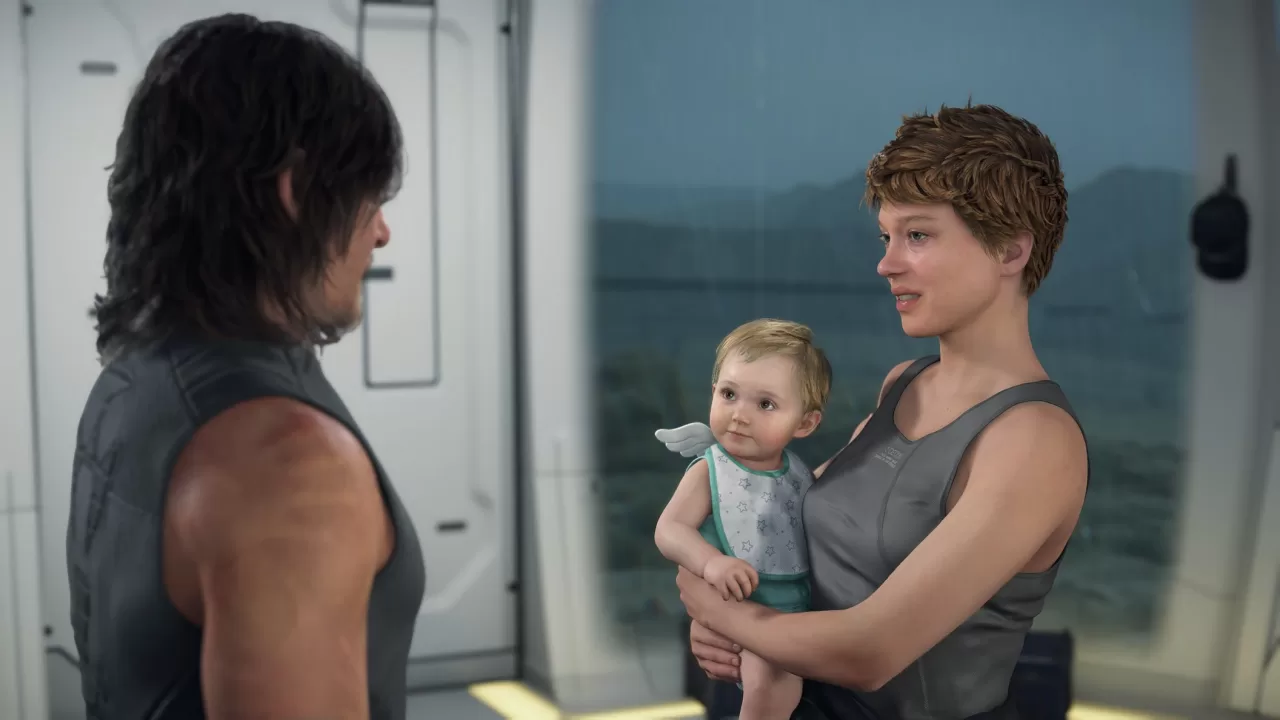
Much like the gameplay, the first game’s story was also quite divisive. Some of its criticisms toward it include its convoluted nature, coupled with how stiff some of the dialogue felt. On the flip side, many players praised the themes of connection that it told, along with the relationships between Sam and the rest of the cast.
Death Stranding 2 improves upon many of the story shortcomings of the first game. This time around, the characters feel more connected, thanks in large part to the fact that most of Sam’s allies are now in the DHV Magellan, meaning you get to see them more throughout the story.
There’s also the fact that the story itself happens at a faster pace, with cutscenes in the earlier parts of the game being fairly short. Of course, DS2 is still a Hideo Kojima game, so you can expect pretty lengthy cutscenes in the last act.
When it comes to the plot details, DS2 still has a fairly convoluted story, though I found it much easier to wrap my head around the events this time. This is partly because the lore of Death Stranding was already built up in the first game, meaning there’s a bit less exposition. At times when lengthy expositions are needed, the game now has the handy Corpus to help players make sense of the events.
The Corpus is a lot like the Active Time Lore system of Final Fantasy XVI in that it’s an in-game encyclopedia with in-depth explanations of lore details, character backstories, and even item descriptions. You can pull up the Corpus at nearly any time while playing, meaning you can quickly read details about relevant characters or items, even in the middle of cutscenes. Best of all, the Corpus has useful story chapter summaries, handy in case you needed some clarification on what exactly happened at various points in the game.
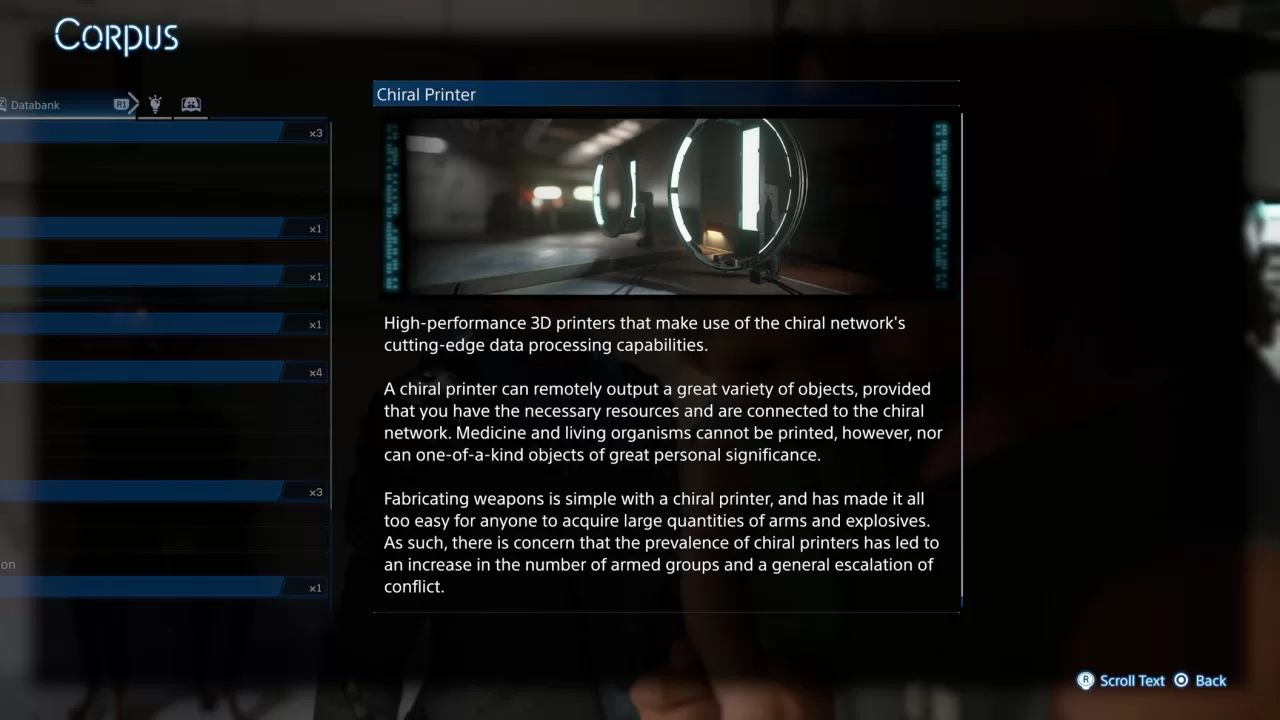
I found the Corpus to be invaluable when it comes to understanding the overall plot of Death Stranding 2, as some parts of it were a bit difficult to get a grasp of (in signature Kojima fashion). On the bright side, these plot details present some interesting themes that tackle relevant contemporary topics such as gun violence and expansionism.
More than the complex plot details though, Death Stranding 2’s story truly shines thanks to its emotional core. The driving force of the story is the bond between Sam and Lou. Again, it’s tough to explain without mentioning spoilers, but what I can say is that Death Stranding 2 tells an incredibly emotional story about Sam and Lou that will no doubt move many players to tears.
In fact, I’d even say that this is the most emotional Kojima game that I’ve ever played. Or at the very least, it is Kojima’s most moving story since Metal Gear Solid 3: Snake Eater. That’s not only because of the events that happen, but also because Death Stranding 2 uses its gameplay mechanics to enhance the emotional wallop of the specific story beats.
To top it all off, the game once again has connections as its core theme, though Kojima’s message lands much more strongly this time in light of Sam’s new journey. While the game is filled with more heartache, this is balanced by the game’s more hopeful message.
Death Stranding 2: On the Beach Final Verdict – 9.5/10
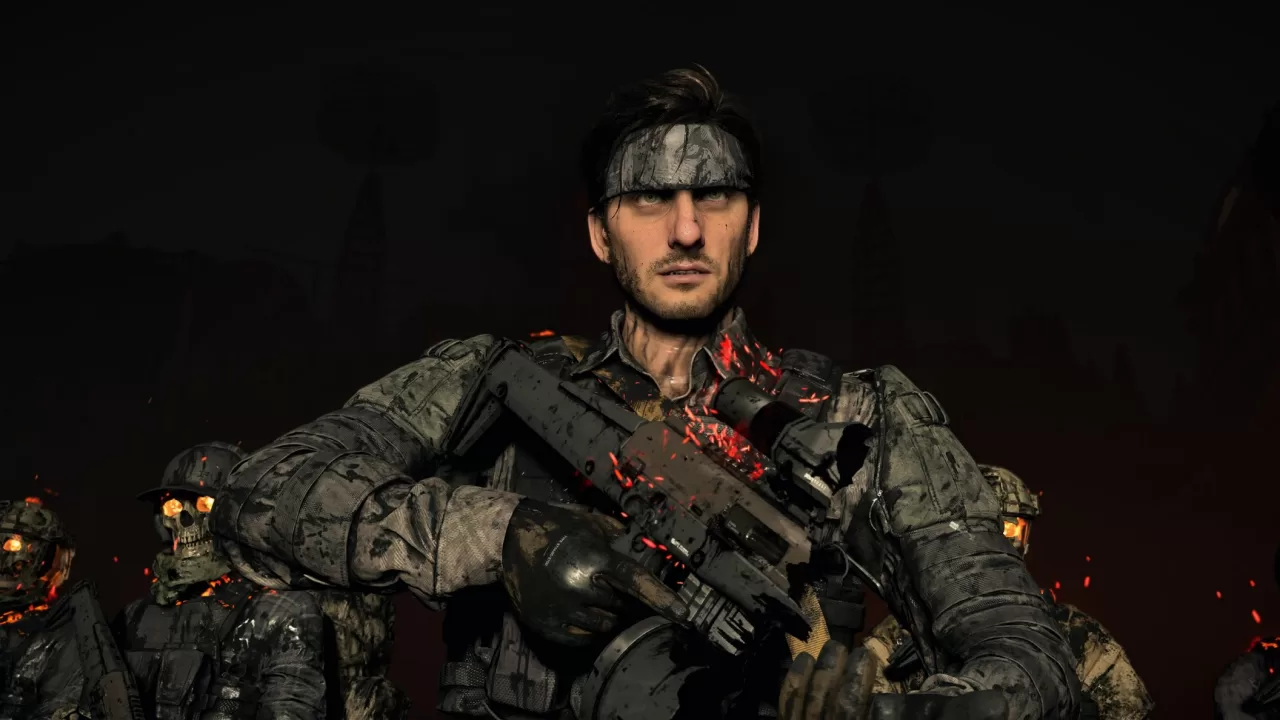
In the opening hours, Death Stranding 2 may just feel like a big expansion for the first game, but when you dig deeper, this sequel brings many major improvements over its predecessor, making it, in our opinion, an even better game than the first.
Thanks to its more streamlined delivery mechanics and varied world design, coupled with the improved combat, this sequel feels much better to play. Sure, the combat doesn’t make it a top-tier action game, but the enemy encounters are still quite fun.
Overall though, what makes the game shine is its story. This is one of Kojima’s most memorable and moving stories that should linger in players’ memories for a while after the end credits roll.
I can’t say for certain if this game will win over those who disliked the previous one, but it’s clear that Death Stranding 2: On the Beach is a must-play for those who loved the first.
[This review was made via a PS5 game code provided by the publisher.]